

Philosophy
The performance of wisdom
Reading Epictetus beside our appetite for being seen to understand: what happens when the language of a good life begins to replace its practice.
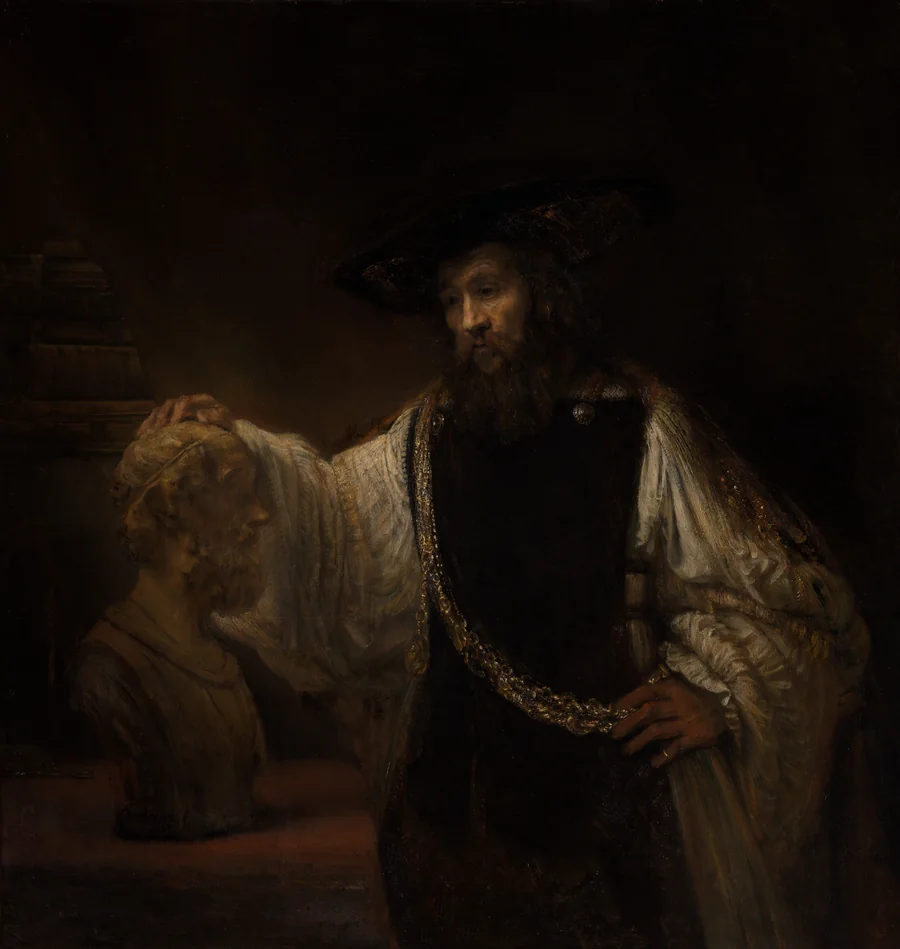
A person can acquire the vocabulary of restraint long before learning to hold their tongue. The right books are on the desk. Their sentences come easily to mind. Then a small insult arrives, and the whole library seems unable to help.
Section 46 of Epictetus’s Enchiridion gives this familiar failure an ordinary setting: the meal. What matters at the table is how we behave. It is possible to explain a principle fluently while leaving the habits it should govern almost untouched.
This is an uncomfortable test for anyone who writes about character. Writing makes an idea visible; practice often leaves no record. We might spend an evening composing a persuasive account of patience while becoming impatient with the person who interrupts us.
The difficulty deserves attention without becoming another excuse for self-display. Begin with a particular obligation. Keep a promise, listen through a correction, or admit that a point has escaped you. Return to the book afterwards and ask whether the passage has acquired any weight.