

Philosophy
Pascal and the empty hour
An inquiry into distraction, the uses of leisure, and our strange reluctance to remain with a thought once the room grows quiet around us.
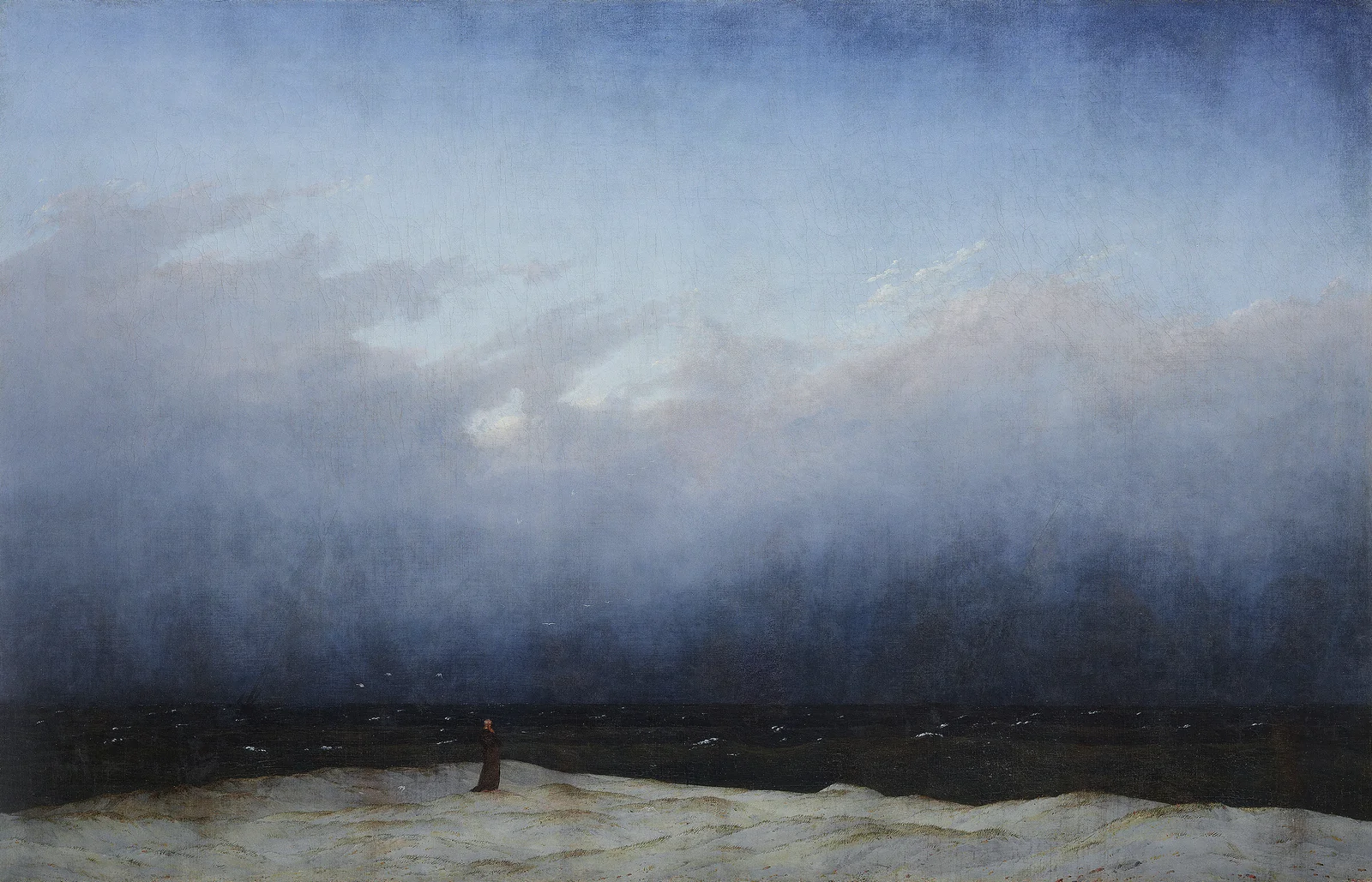
An evening becomes free unexpectedly. The work is finished, the messages answered, and the book we intended to read lies within reach. We open something else. By bedtime the hour has disappeared, though it is difficult to say what occupied it.
A reading of Pascal can begin here, with the small movements through which we make ourselves busy. Before reaching for a theory of distraction, it is worth describing an actual evening. What did we choose? What did the choice allow us to postpone?
Rest, company, games, and pleasure need no blanket defence. A life stripped of them would be poor. The question is more exacting: whether our activity remains freely chosen when the possibility of stopping begins to feel unbearable.
For this proposed essay, the empty hour is a place to investigate. It might contain boredom, grief, an unfinished decision, or nothing especially dramatic. We would read the Pensées slowly enough to let its questions become specific, resisting the temptation to turn Pascal into another authority for a tidier schedule.