

Character
Build for those who come after
John Ruskin invites a difficult measure of our work: whether it will remain useful to people who can neither repay us nor remember our names.
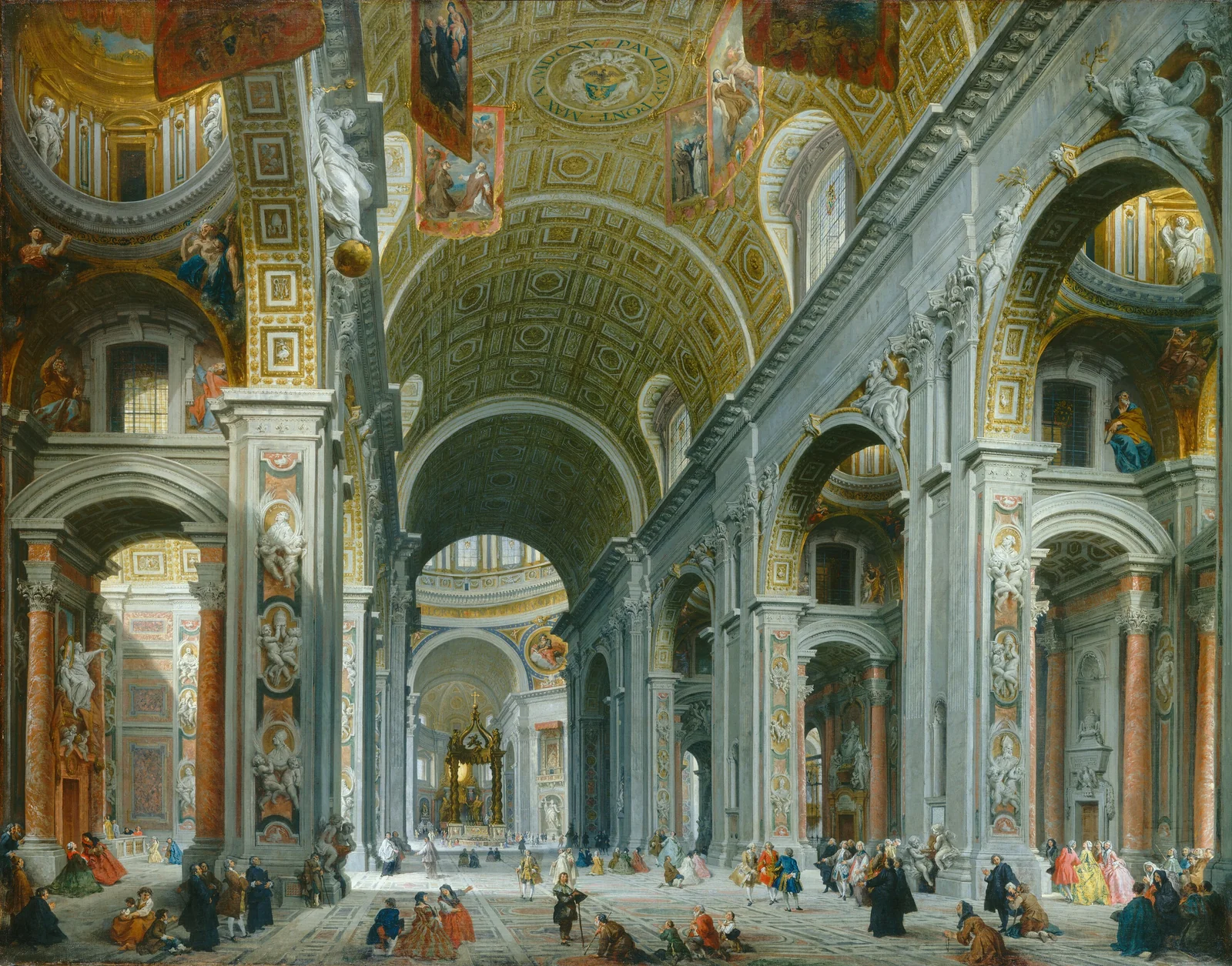
A roof can be repaired by someone who will never sleep beneath it. A tree can be planted by a person who will never sit in its shade. Such acts ask us to imagine a benefit extending beyond our own use.
In The Lamp of Memory, Ruskin gives this obligation a material form. Buildings hold the work of earlier hands and stand open to future inhabitants. Receiving them involves responsibilities that the language of possession can easily conceal.
His severe opposition to restoration requires argument; admiration is no reason to accept it whole. Yet his insistence on ordinary care remains a useful challenge. Attention to a leaking roof is less dramatic than the rescue of a ruined building, and often more valuable.
The question can travel into smaller parts of a life. A well-kept record, a sound piece of work, or a room left ready for its next occupant all acknowledge someone absent. We begin to understand inheritance when the people who follow us enter the decisions we make today.