

Art & culture
What the worn things keep
A worn stair, a repaired binding, a patched sleeve: how objects acquire meaning through use, and why age alone is an insufficient reason to preserve them.
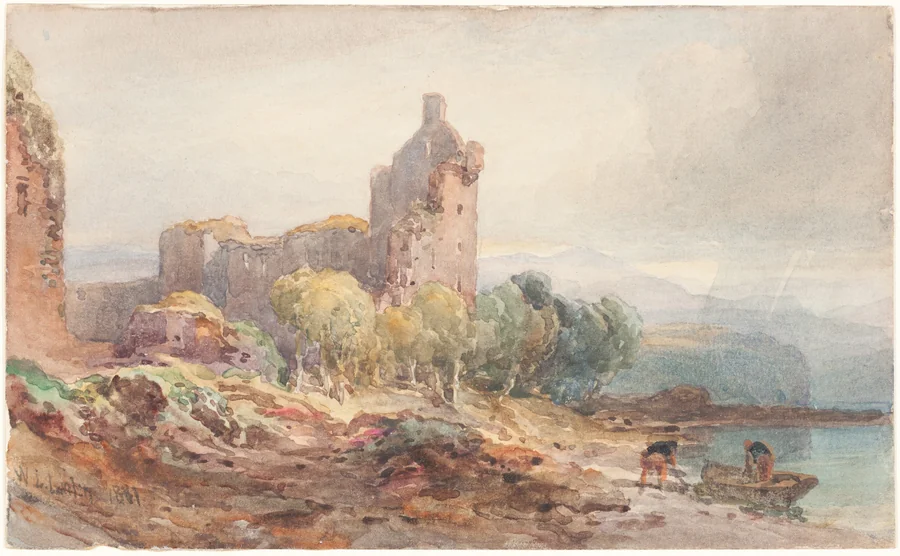
The edge of a desk becomes smooth where a hand has rested. A book opens readily at a chapter someone returned to. Wear gives an object a history we can sometimes read, even when the person who made the marks is absent.
It is easy to become sentimental about these traces. An old object may be badly made or no longer serve anyone. A new one may deserve decades of use. Age gives us something to investigate; judgment still has work to do.
Repair makes the question practical. We must decide what matters about the thing: its usefulness, its material, its association with a person, perhaps an awkward shape that no replacement will reproduce. The answer should govern the work more carefully than a general taste for the past.
A repaired binding allows a book to be opened again. A mended garment returns to an ordinary day. These modest continuities offer a useful measure for preservation. What we keep should have a chance to participate in life, carrying its marks without requiring us to live in a museum.